
The Role of Luck in Gambling
Luck is often seen as the cornerstone of gambling, especially in environments like casinos where chance plays a significant role. Every game in a casino, from slot machines to table games, embodies an element of randomness that can significantly impact a player’s success or failure, especially when considering the best anonymous casinos available online. While skill and strategy can enhance a player’s odds, ultimately, it is luck that determines the outcome of each game. This unpredictability adds to the thrill and excitement of gambling, making it a unique and captivating experience.
For instance, consider a game of roulette, where the spin of the wheel decides the winner. No amount of strategy can alter the inherent randomness of the game; each spin is independent of the last. This principle applies to games such as baccarat or various lottery systems, where outcomes hinge solely on chance. Players often reminisce about their lucky streaks, attributing their wins to good fortune rather than skill, underscoring the subjective and often whimsical nature of luck in gambling contexts.
Moreover, the psychological aspect of luck in casinos can also influence player behavior. Gamblers frequently develop superstitions or rituals in an attempt to sway fate in their favor. Whether it’s wearing lucky charms or sitting in a particular spot, these practices reflect a deep-seated belief that luck is a tangible force that can be harnessed. While these behaviors are not scientifically proven to alter outcomes, they highlight how entrenched the perception of luck is in gambling culture and how it can shape experiences in casinos.
The Intersection of Skill and Luck
While luck is undeniably integral to casino games, it is essential to recognize the interplay between skill and chance. In many games, especially those that involve strategy such as poker, players can leverage their skills to improve their odds against the randomness of luck. Skilled players can read their opponents, manage their bankrolls, and make informed decisions that can lead to success, even amidst the inherent unpredictability of the game.
Games like blackjack provide a clear example of where skill can minimize the element of luck. Players can employ strategy cards to determine the best actions based on their hands and the dealer’s card. This ability to influence the game’s outcome through skill demonstrates that while luck may decide a single hand, sustained success in such games often requires a combination of chance and expertise. Therefore, players who are willing to invest time in learning strategies can significantly enhance their overall success rate and navigate the casino landscape more effectively.

However, many casual players rely heavily on luck, often overlooking strategies that could increase their chances of winning. This reliance can lead to both high-stakes excitement and devastating losses, as the unpredictability of luck can turn on a dime. This dynamic creates a fascinating balance where luck serves as both a friend and a foe, shaping the casino experience for various types of gamblers and highlighting the importance of understanding this duality.
The Impact of Casino Environment on Luck
The environment of a casino can also significantly affect a player’s perception of luck. Casinos are meticulously designed to create an atmosphere filled with excitement and anticipation, often enhancing the feeling of being lucky. For example, the combination of bright lights, engaging sounds, and celebratory moments when someone wins can lead to a more favorable impression of luck. This carefully crafted ambiance not only boosts the morale of players but also reinforces the notion that luck is present and can be tapped into at any moment.
Moreover, the presence of other players can amplify the feeling of luck. When a nearby player wins big, it creates a shared excitement that can inspire others to believe that luck is in the air. This social aspect of gambling is crucial, as it can influence a player’s willingness to participate and take risks. The collective thrill can be contagious, leading players to make decisions they might not otherwise consider in a more subdued setting, thereby enhancing their overall gambling experience.
The layout of the casino itself also plays a role in how luck is perceived. High-stake tables attract players seeking fortune, while low-stakes areas might draw beginners or those looking for a more relaxed experience. This differentiation can shape individuals‘ beliefs about luck based on their experiences in various environments, impacting how they approach the games. Ultimately, the casino’s atmosphere can enhance the psychological perception of luck, making it feel more potent and influential in shaping outcomes.
Luck: A Double-Edged Sword
Luck in casinos is often regarded as a double-edged sword that can lead to both exhilarating triumphs and heartbreaking defeats. On one hand, a fortunate turn of events can grant players life-changing wins, drawing them deeper into the world of gambling. Players often recount tales of extraordinary luck that led to substantial victories, fostering a sense of hope and excitement for many who step into a casino. These stories serve as a reminder of how luck can transform a simple game into an unforgettable experience.
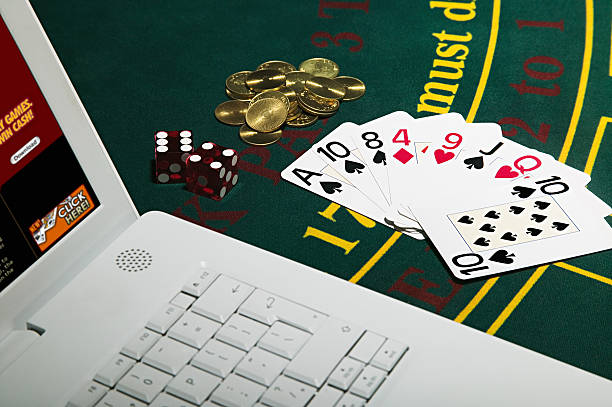
Conversely, the unpredictable nature of luck can result in severe losses. Many gamblers chase their losses, believing that their luck will eventually turn in their favor. This mindset can lead to increased stakes and risky bets, which sometimes spirals into addiction and financial hardship. The duality of luck serves to remind players that while they may experience moments of great fortune, they must also be prepared for the possibility of loss and the reality that luck can be fickle and elusive.
In understanding this dynamic, players can better navigate their casino experiences. Recognizing that luck can both uplift and disappoint allows for a more balanced perspective on gambling. Successful players often learn to set limits and approach their gaming with a mindful attitude, accepting that while luck can play a role, responsible gambling practices can mitigate risks and enhance enjoyment. This awareness is crucial in fostering a healthier relationship with gambling.
Embracing Luck on Casino Platforms
In the evolving landscape of online casinos, the concept of luck continues to flourish. Virtual platforms have adapted the traditional casino experience, allowing players to engage with games from the comfort of their homes. Despite the shift from physical to digital, the underlying mechanics of luck remain unchanged. Players still rely on chance, whether they are spinning reels or rolling virtual dice, making the element of luck as relevant in online environments as it is in brick-and-mortar casinos.
Online casinos often incorporate engaging features, such as live dealer games, to maintain the thrill associated with in-person gambling. This innovative approach enhances the interaction and excitement of gaming while keeping the unpredictability of luck intact. As players navigate through digital gambling platforms, the sense of anticipation surrounding each game remains a driving force for engagement, ensuring that the allure of luck continues to draw players in.
Furthermore, online platforms often provide tools to track wins and losses, allowing players to analyze their strategies over time. While luck will always be a factor, understanding trends and patterns can offer insights that enhance a player’s approach to the game. Embracing luck in the online sphere fosters a unique blend of excitement and responsibility, as players are reminded to gamble wisely while enjoying the unpredictable nature of their gaming adventures. As a result, players can create a more sustainable and enjoyable gambling experience.